“We are Xbox,” was the title of an internal note sent to Xbox employees last week. This letter, overflowing with corporate language, summarized a rather charming future for a brand that has suffered more losses than the Knicks. It spoke of a platform that promotes creativity, prioritizes signals over ceremonies, and embraces a rebellious attitude – in short, everything that Xbox has represented for the past five years.
This came with a small logo change, as a new aesthetic was required for a new era. And I can say that – after many years, I truly felt a sense of optimism for Xbox. To better understand this, I purchased an Xbox One S during the peak of the PS4 in 2018 and maintained that commitment when the Xbox Series S first hit the shelves.
I love the history of this platform, its IPs, and the extremely talented studios behind it. However, with Asha Sharma's recent arrival, I saw a hint of the old Xbox in the transformation of this brand.
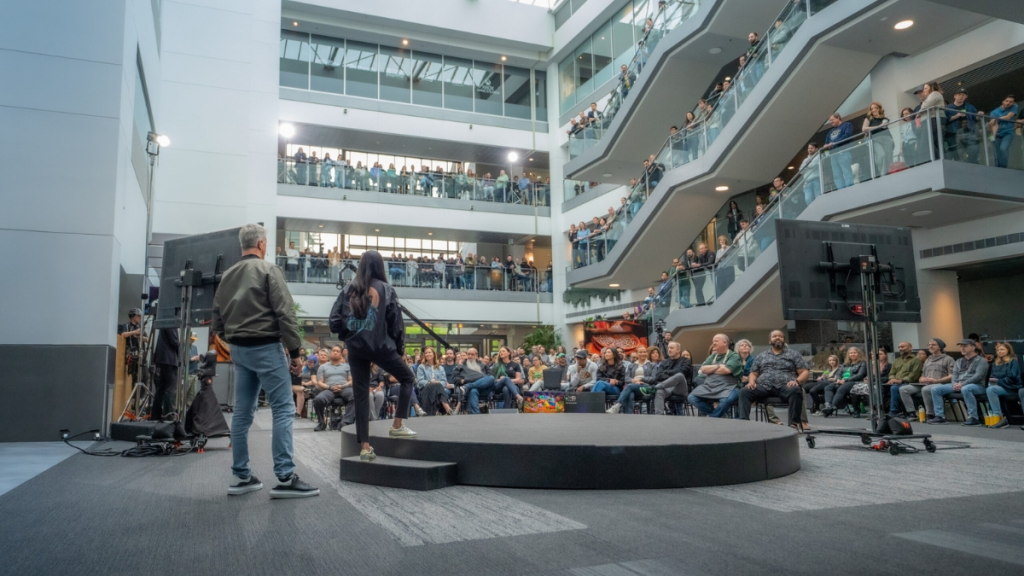
So, what triggered this new optimism? Beyond this somewhat dramatic note, Xbox management has taken a series of positive steps that align with my personal expectations.
From shelving universally hated marketing campaigns to highlighting the console experience, the green machine has finally started to show its teeth. There is still a long way to go and many wrongs to be corrected, but in terms of “feeling,” I sense a fresh positive atmosphere around Xbox.
The Mistaken Years Xbox Has Finally Addressed
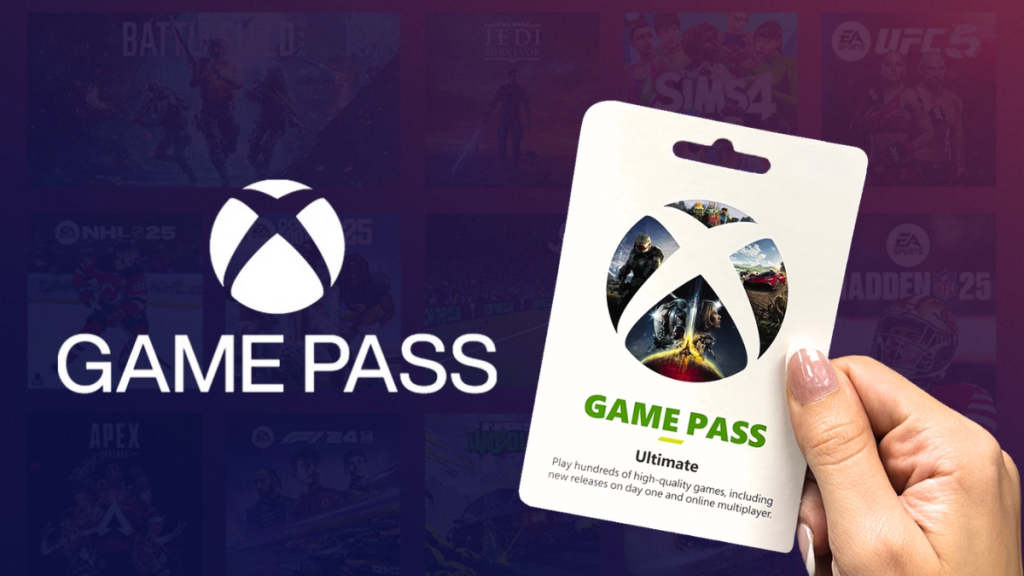
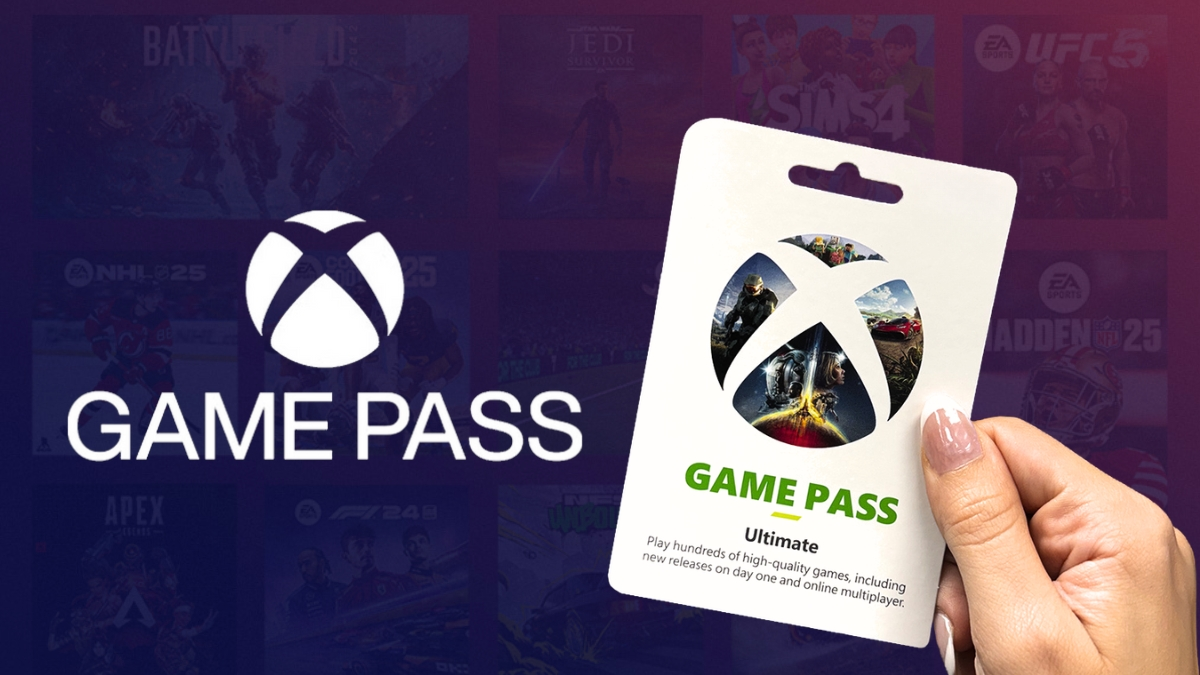
First of all: Game Pass, the subscription service I despise. I don’t like Game Pass; I fundamentally believe it is unsustainable and can negatively alter consumer behaviors. I think at some point, Xbox realized this too and raised prices to unreasonable levels. Fortunately, Asha Sharma stepped in and reduced these prices by 23% worldwide – this discount also applied to PC Game Pass, which was initially quite affordable.
This is a win in every aspect and could be the best ‘move’ we’ve seen from the new management. Another notable decision was to drop the “Microsoft Gaming” label and bring back the old beloved “Xbox” name for Microsoft’s gaming division. This is a symbolic change but signifies a return to the brand’s roots, or at least carries such an intention.
The third major decision I want to highlight is the cancellation of the “This is an Xbox” campaign. The unfortunate marketing campaign was prepared to showcase Xbox’s platform-independent future; everything – your television, your smartphone, your mini-fridge – is an Xbox.
The campaign was an attempt to answer the question, “What is an Xbox?” And with the sweetest poetic irony, it led consumers to ask, “Why an Xbox?” With services and software available on so many devices, what does this “console platform” even mean? What’s the point of investing in the hardware it insists on producing if you can find better user experiences on PlayStation or Steam? Even, what does the “box” in “Xbox” represent anymore?
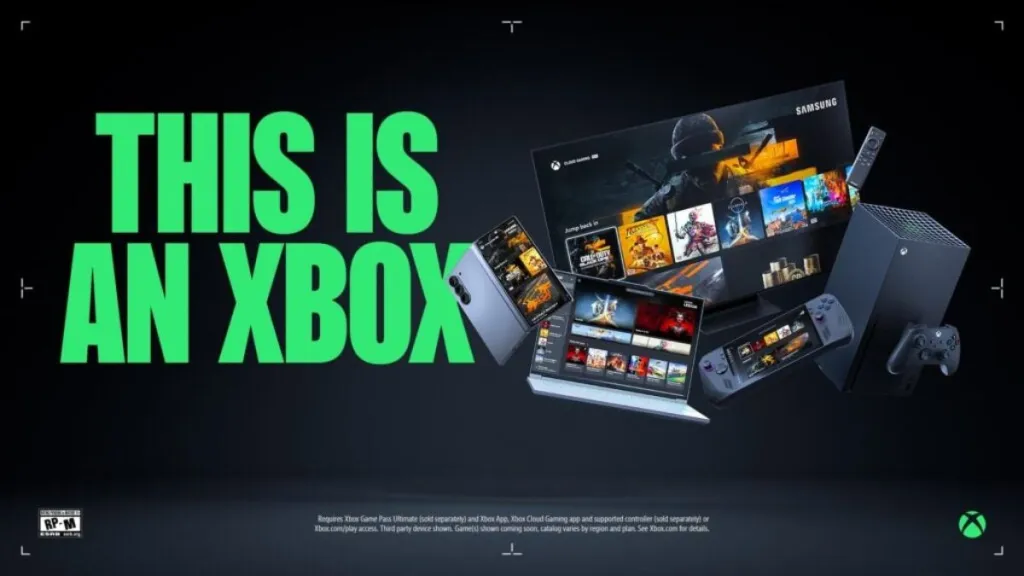
In my view, this was a misstep on the scale of E3 2013, and it had to go. Again, Asha Sharma and her team stepped in, quietly shelving the campaign and labeling the console as the “foundation” of the Xbox experience. In addition to these steps, Xbox management is also “re-evaluating” its stance on exclusive games and publicly committing to “affordable” and “flexible pricing.”
If there were a checklist filled with instructions on “How do you fix Xbox?”, these decisions would likely be at the top of the agenda. Asha Sharma has checked all of these off.
As encouraging as these changes are, they could all be part of a complex PR maneuver to win over Xbox loyalists for the new CEO. I get a strong sense of ‘victim’ from Microsoft’s approach to Phil Spencer, and I don’t believe he actively obstructed these decisions.
He was truly one of the few executives who made you feel like a player at heart. If he were just a soulless suit chasing profit, he wouldn't have given the green light to have independent studios like Double Fine and InXile.
I can take comfort in the fact that Microsoft knows where it went wrong, even if these changes are part of a predetermined template. They have a general idea of where Xbox is lacking and care enough to invest in the platform. And now, with a willing leader to implement fan feedback, Xbox finally feels like the iconic brand that defined an entire gaming generation.
2026 Will Be a Make or Break Year for Xbox
2026, of course, marks the 25th anniversary of Xbox, and this silver jubilee is shaping up in a special way. Forza Horizon 6, Gears of War: E-day, Fable, Halo: Combat Evolved – the kids are back. Xbox's four main franchises are joining a party that could be the company's most glorious year since the start of the 360 era.
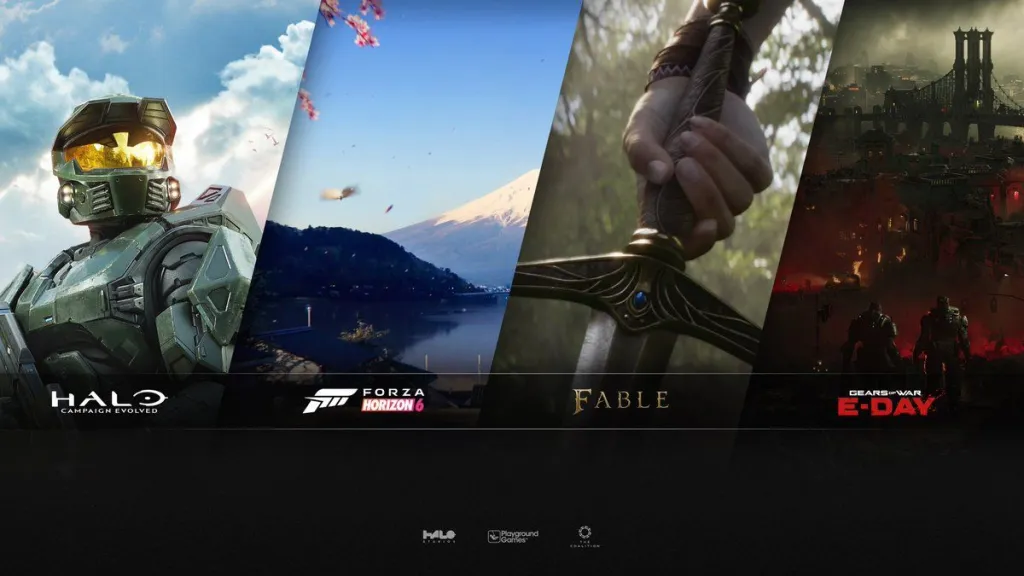
This optimism is not based on a naive assumption about the quality of these titles. We've seen FH6 in action, marveled at the scope of Fable's systems, and Silent Cartographer has never looked more beautiful in Unreal Engine 5. Of course, these games could somehow disappoint. However, looking at this release list, there's no better way to experience the biggest hits within the same 12 months.
This is a bold, volume-focused strategy that could either re-establish the value of owning an Xbox console or diminish the brand's worth to an irretrievable point. In short, all four of these games need to be successful. Individually, each has the quality to be a system seller (Forza Horizon is probably already one), and you build this concept with a strong summer showcase.
These four aces in Xbox's support should be prominently displayed at the 2026 Game Showcase. I'm expecting in-depth gameplay presentations for Fable and Gears of War: E-day and accurate release date announcements. I also don't want their time to be stolen by third-party partnerships that will never see the light of day (like Contraband) or a first-party announcement in a very early development stage that is just a title card. Xbox should promote around these games. This is what players will connect to watch.
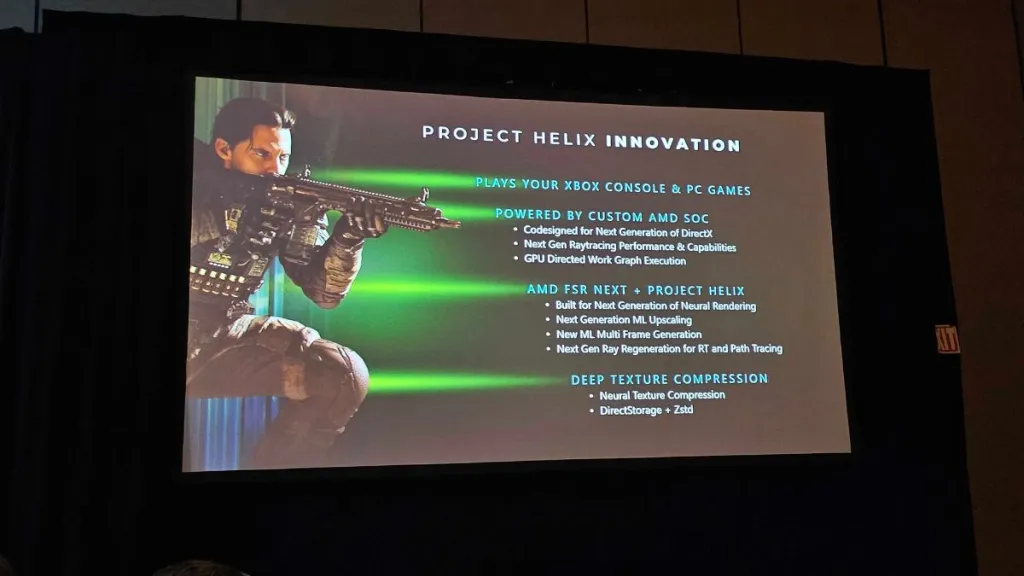
Looking further into the future, there are rumors that Project Helix will be properly showcased in the last few months of 2026. Xbox's next-generation hardware has been introduced as a hybrid gaming PC that allows players access to both their consoles and games. This essentially means an Xbox distilled down to a Windows skeleton, likely equipped with a custom UI and capable of running stores like Steam or Epic Games Store.
This is an interesting proposition aligned with the push for accessibility. However, the reality is that the Steam Machine is out there. It will almost certainly be great and will obliterate any hybrid PC in its field. Valve has been developing this space for years, and the SteamOS ecosystem is so polished that players will be reluctant to abandon it.
With such strong appeal, it means that any newcomer with the Xbox brand will be entering a losing battle. There’s no compelling reason for Xbox to plant its flag out there.
What the company needs to do urgently is to offer hardware that feels like a console first and a novelty second. The hybrid angle is a fun title, but the product must be based on the fundamentals that players truly know and love. A box under the TV. A controller in hand. An opening screen that makes you feel something. And games that leave a lasting impact. That’s the Xbox experience, and the functionality of a PC cannot be an alternative to getting these fundamentals right.
And in the meantime, throw in some exclusive games and reignite the console wars in 2026. This will stoke the pure Xbox enthusiasm that players are waiting for.
Project Helix has the potential to be truly exciting – perhaps the most interesting Xbox hardware since the Xbox One X. However, if it prioritizes flair over substance, it will become just another entry in the list of Xbox decisions that looked great in the press release but failed in practice.
For over nine years, Xbox has been losing ground in a position it should undoubtedly hold. There was hardware, there were studios, there was goodwill, and somehow it still managed to lose the plot.
But after a long hiatus, I’m getting the feeling that the pieces are being put in the right order. Whether this will continue and whether it will fulfill the promise of 2026 are questions only time will answer. The only thing I can say is this: the Xbox I fell in love with as a child is out there somewhere, shaking itself off and coming back. And cautiously, I’m stubbornly supporting it.











Comments
(7 Comments)