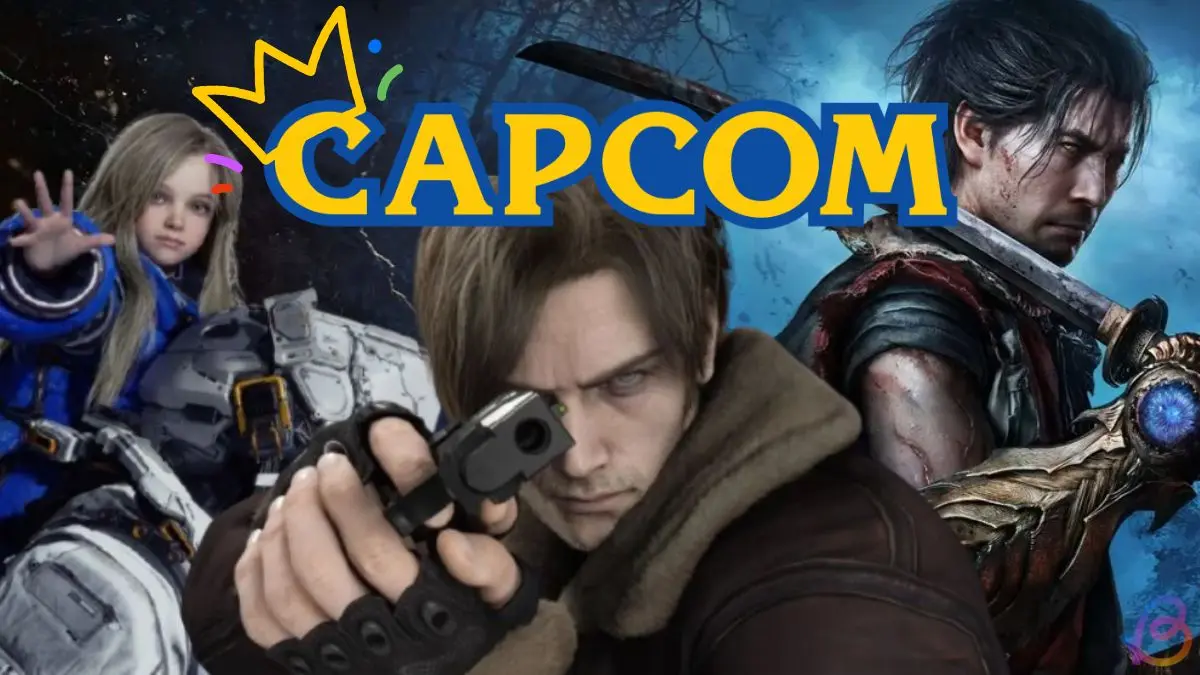
The entire gaming industry held its breath for the past year waiting for GTA 6, viewing it as a significant release. However, while everyone had their eyes fixed on Rockstar's return to Vice City, the legendary Japanese publisher Capcom quietly achieved the most flawless combination in modern gaming history.
We are almost halfway through the year, and the truth is that the gaming crown has already been firmly established. This makes Capcom the true final boss of the 2026 video game calendar, not Rockstar. Here are the details showing how they got everything right.
Capcom's Early Hat Trick Managed to Be the Story of the Year
While the world is expecting GTA 6 to break the internet this November, Capcom has already taken control of the year. And let's be honest, it's only spring of 2026. Capcom achieved this with three consecutive hits: Resident Evil Requiem, Monster Hunter Stories 3, and the great success of Pragmata.
Another Resident Evil, Another Hit
Creating such an intense release schedule requires an absurd level of corporate confidence. And this risk has yielded great rewards. Capcom kicked off the year with Resident Evil Requiem; it offered a masterclass in survival horror and proved that zombies are determined to remain quite profitable.
RE: Requiem sold over 6 million copies worldwide by mid-2026, making it the fastest-selling game in the series' 30-year history. Additionally, being the best-selling game in the U.S. so far this year is a significant achievement.
If it were any other publisher, the year would have ended with this fantastic game. But after all, Capcom always plays for the KO. So, after Requiem came Monster Hunter Stories 3. This sequel is an RPG that combines genres and consumes our free time like a hungry Rathalos wreaking havoc in a castle. Despite being a niche game, it sold a total of 54,906 physical copies and ranked in the top 3 on Steam's sales chart.
And finally, we encountered Pragmata; this further solidified the process as not just a lucky series, but a cleverly orchestrated campaign. My daily editorial work often involves analyzing the metagames of shooter games like Deadlock and Valorant. Yes, I also regularly play Roblox games, but trying out new single-player games had become a distant concept for me. Transitioning from these live service machines to three major AAA single-player games felt like a real shock to my gaming brain cells.
However, the quality here is completely undeniable. Capcom has gone beyond just publishing games; they have monopolized cultural conversation. They engineered a continuous rhythm of hits that keeps players engaged without ever asking them to purchase a battle pass or complete daily quests.
Resident Evil Requiem made a DLC announcement, and almost every Capcom game has a similar status. They have planned the future of their single-player games more clearly than any studio with AAAA games. Another important reason for Capcom's triple success is their courage to take risks with new IPs.
Capcom Bet on New IP and Won Big with Pragmata
When you look at the modern AAA landscape, you will find a market largely allergic to creative risk. This is characterized by constant remasters, safe reboots, and dependence on legacy properties. It is ironic that Capcom is the undisputed king of modern remakes; this studio is one that steps up to challenge this stagnation.
We must analyze how Pragmata overcame the industry's obsession with remakes. It sold 1 million copies within 48 hours. By presenting an extremely bizarre, mechanically complex sci-fi adventure, it proved that Capcom can create entirely new, high-quality franchises. They achieved this without remaining entirely dependent on the safety net of existing IP.
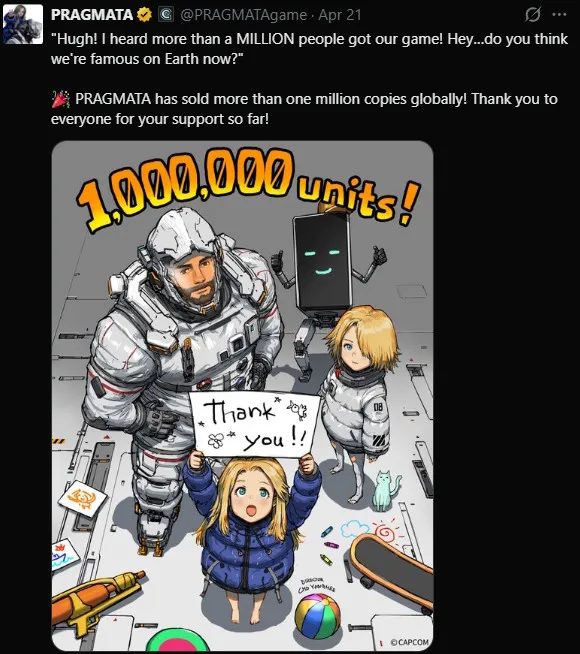
This is not a success story built on the steam of nostalgia. Pragmata is a triumph of pure creative courage. The game's real-time tactical hacking systems stand out. Additionally, the narrative weight of the android-human dynamic does as well. Together, they provide a great breath of fresh air.
By not compromising on a crazy original vision, the developers kept their focus tight. The short, filler-free campaign creates a perfect hook. Capcom capitalized on accumulated player goodwill. They also proved a simple point. Consumers will show interest in new ideas. The application just needs to be uncompromising. And this story will continue with the next sequel.
Onimusha Completes Capcom's Great Year
After proving it can build new worlds, Capcom is changing direction. It reminds us how to manage its most sought-after legacy properties. The return of Onimusha: Way of the Sword towards the end of 2026 provides the best closing of the year.
The reason is simple. The year is locked in with a highly anticipated sequel to complete it, “Perfect Season”. A completely new IP like Pragmata captures the imagination. A sharp, mechanically flawless samurai action sequel provides the stability that hardcore fans desire.
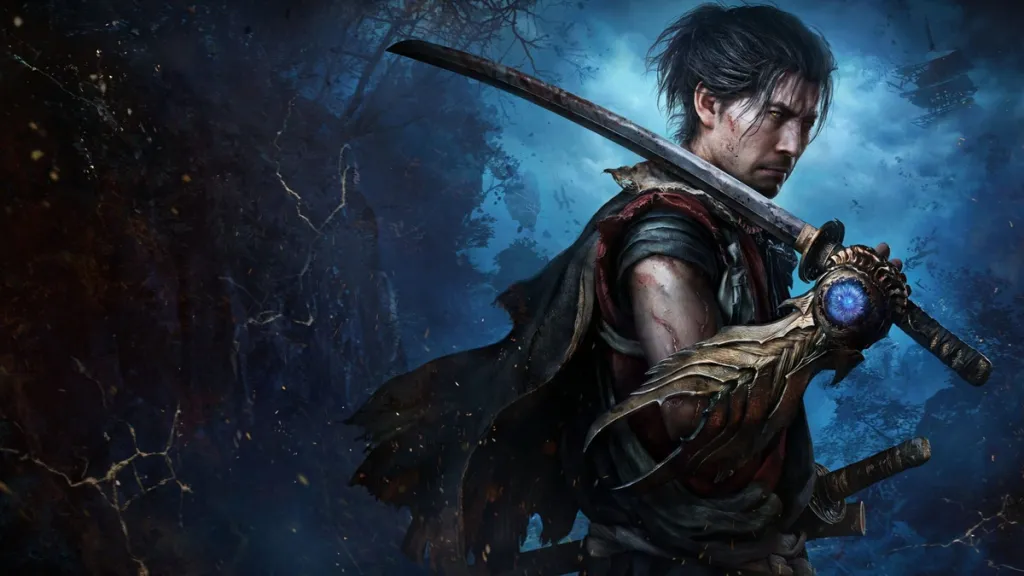
This dual approach is clear. The original sci-fi pushes boundaries in spring. Demon-hunting nostalgia arrives in autumn. Yes, the same time frame for the release date of GTA 6. However, overall, Capcom games offer a more consistent value throughout the calendar than a single high-budget Rockstar Games release.
Onimusha promises sharp counter-move windows and relaxing combat. This puts a period on a year of non-stop game releases. It provides a reason for players to open a Capcom title every quarter. But is it just the story of the game or its gameplay?
RE Engine: The Foundation of Capcom's Dominance
Of course, this software dominance doesn’t happen by magic. It stands on a foundation of powerful proprietary technology. When you take a close look at RE Engine, you can see why it's one of the most optimized technologies today.
In an era where many AAA releases are launched in poor condition, this is a rare situation. A major patch is common to achieve a stable frame rate. RE Engine breaks this mold. It offers a consistent experience on high-end hardware like PlayStation 5 Pro and new platforms like Nintendo Switch 2. It provides a polished experience at a level that many studios cannot match in 2026.
Most Western game development teams have transitioned to Unreal Engine 5. This brings a series of issues like frame drops and generally unstable performance. Capcom's own technology provides full control over the pipeline.
RE Engine manages the tight, photorealistic spaces of Resident Evil. The engine is so optimized that RE9 runs easily with GeForce Now. In our tests, Requiem ran at 60 FPS on both iPhone 15 and Nothing Phone 2a.
This amount of support shows how robust a performance RE Engine can produce. It supports the bright, stylized worlds of Monster Hunter. It also powers the intense systems and effects in Pragmata.
Each release builds on the previous one. This shortens development time and increases internal knowledge accumulation. A situation that is usually a high cost for large studios becomes a sharp advantage here. But will Capcom stop in the video game field now?
Capcom Declares War on Hollywood
When talking about industry giants, there is a widespread belief that Rockstar Games has a unique dominance over mainstream cultural moments. Just a Grand Theft Auto 6 release could break out of the gaming bubble and become a global event. Capcom is starting to question this view. It is going far beyond consoles and venturing into film and television.
The upcoming Street Fighter movie is at the center of this push. It’s not a small project. A wide theatrical release brings the brand in front of audiences who won’t pick up a controller. Moreover, the cast of the Street Fighter movie is filled with recognizable names like 50 Cent, Noah Centineo, and Jason Momoa. This draws attention outside the usual gaming crowd.
The SF movie is not the only film Capcom is making to reach the mainstream in 2026. There is also a new Resident Evil project and the second season of Devil May Cry coming this year.
We've seen that strong adaptations can increase interest before. Fallout and The Last of Us brought players back to their source materials. A big-budget Street Fighter movie would work the same way. It serves as a two-hour showcase of one of Capcom's core franchises. It attracts new viewers, brings back old fans, and keeps the brand active in the public eye.
By releasing strong games and appearing in theaters and streaming platforms, Capcom is creating a constant presence in media. The message is clear. Capcom is no longer just a game publisher. It is building a broader entertainment footprint that can stand alongside the biggest names in the industry.
We love to build massive monuments to big releases. We act as if games only progress when a two billion dollar crime simulator finally hits the shelves. However, Capcom's 2026 tells a different story. This is a masterclass in operational control and artistic diversity. The studio has generated over $400 million in revenue just on Steam.
Capcom shows that the industry no longer needs a single massive release. This leaves a necessary question that managers should now be asking. As budgets swell and timelines stretch over full decades, is the high-risk, single-basket model still reaching its peak with Rockstar Games? Or has Capcom quietly charted a more resilient path for the future of the industry?








Comments
(2 Comments)