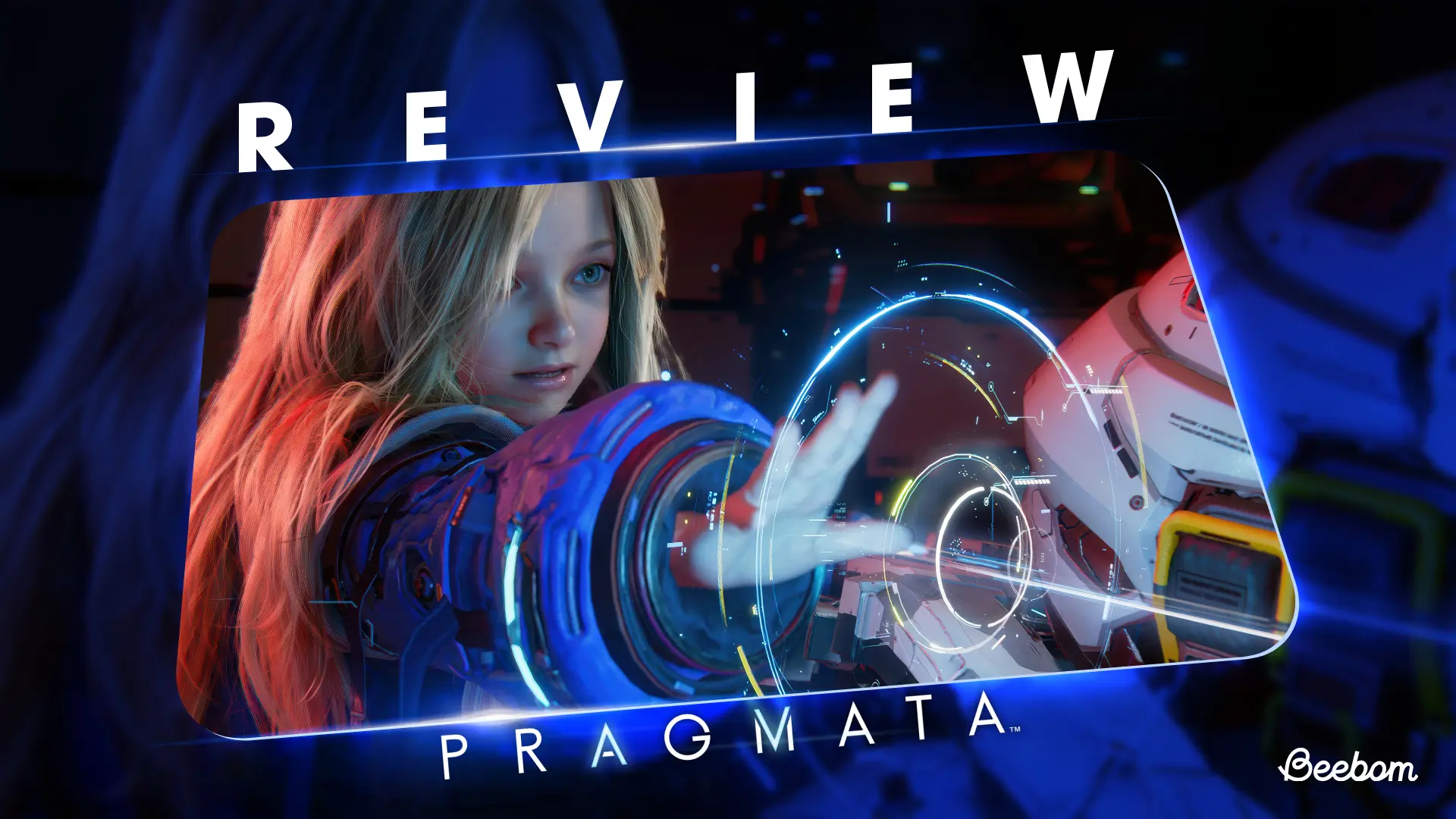
Pragmata is a science fiction shooter game that presents a new dimension to taking down enemies. It also teaches new generation men ways to be parents. Japanese developers have recently started to focus on "dad issues" for millennial gamers. This process began with God of War, continued with Death Stranding, and Pragmata is set to take on the title of the best 'dad simulator' in 2026.
However, if being a parent is not on your to-do list this year, Pragmata still offers a sci-fi action experience that will entertain you for hours. Check out my full Pragmata review to see if Capcom's latest IP measures up against other major titles.
A Man and an Android Girl Against the Unknown
Pragmata presents a story centered entirely around two characters: Diana and Hugh. Hugh is a space engineer sent to the moon to control problems. When Hugh lands on the moon with three other friends, he quickly finds himself alone after a lunar earthquake takes their lives.
He realizes that things are not going well at the lunar base; the area is quarantined, there are no humans in sight, and robots are trying to kill him... The last part could be a perfectly accurate observation. Soon after, Hugh encounters Diana, the ‘cutting-edge Pragmata’; simply put, an artificial intelligence capable of doing quite impressive things. She is the most mysterious little girl I have ever accompanied in any game and has left quite a big impression, but I will elaborate on that later.
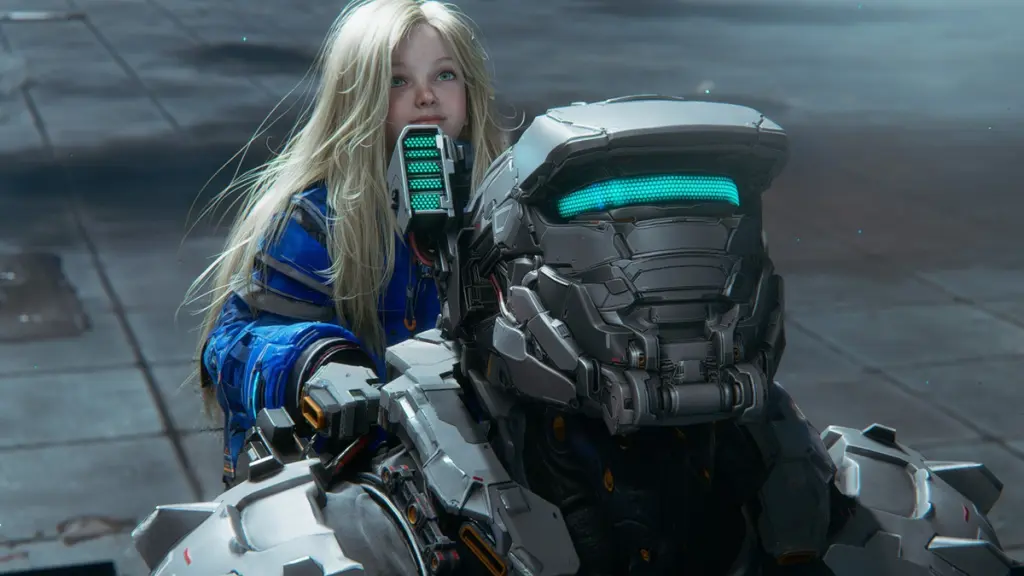
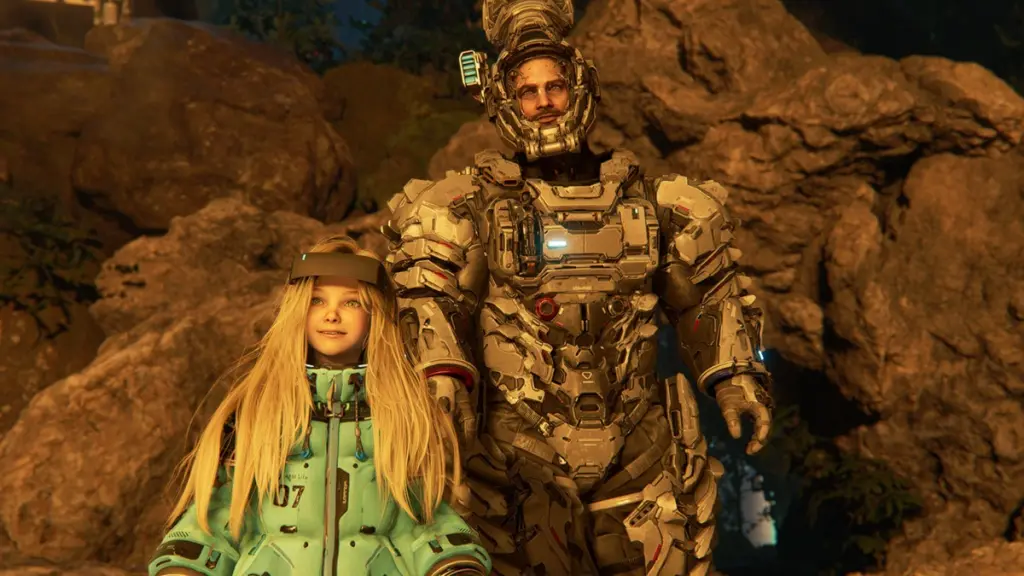
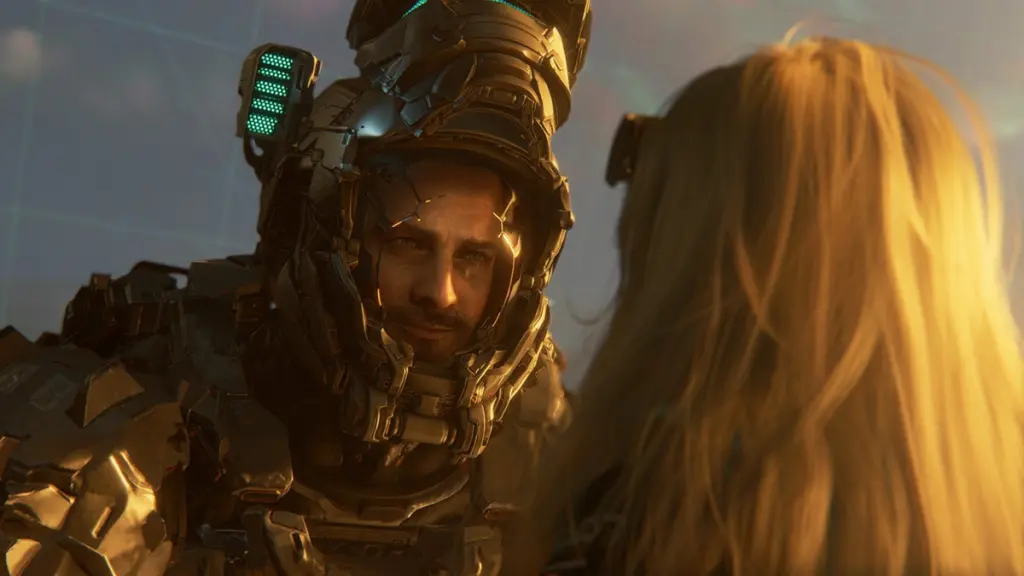
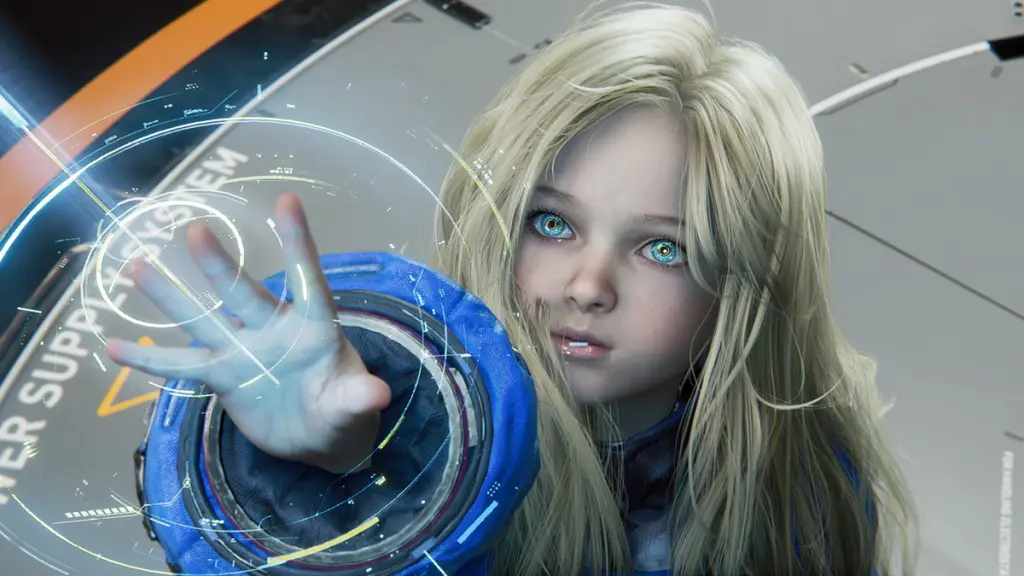
Her interactions and dialogues are quite humorous, especially when using binary code language (0,1,0,0,0,1) during active hacking. However, as the game progresses, we see a real bond forming between Diana and Hugh, and thus between the player and them. The game touches on various topics, particularly loneliness.
While many may see Capcom's depiction of the father-daughter dynamic, my experience of being an uncle gave me a slightly different perspective on this relationship. However, one thing was clear: Capcom has done its best to train you to be a model parent or guardian in Pragmata.
It Turns Out Parenting is the Real Boss Fight
After witnessing Grace's magnificent character development in Resident Evil Requiem, I didn't expect her to find courage through the maternal bond. However, I never thought I would be moved again by another Capcom game a few months later. But this time, the relationship was a bit different. Instead of a serious tone perfect for the horror genre in RE9, Pragmata uses humor and energy to portray Diana as a ray of sunshine in Hugh's world; this reflects back to us players.
Indeed, I spent hours in Hugh and Diana's safe house just talking to her, as these interactions were so interesting that I wanted to evaluate each one. The safe house serves as a main base where Hugh and Diana return after completing a level or dying. This place is designed as an interaction hub for Diana; she moves freely around and reacts to the objects around her.
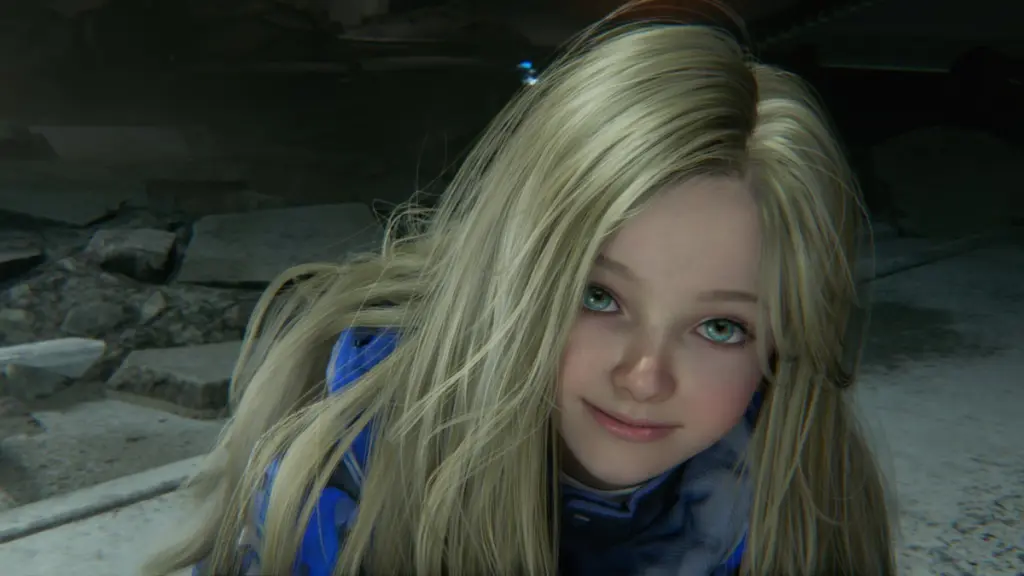
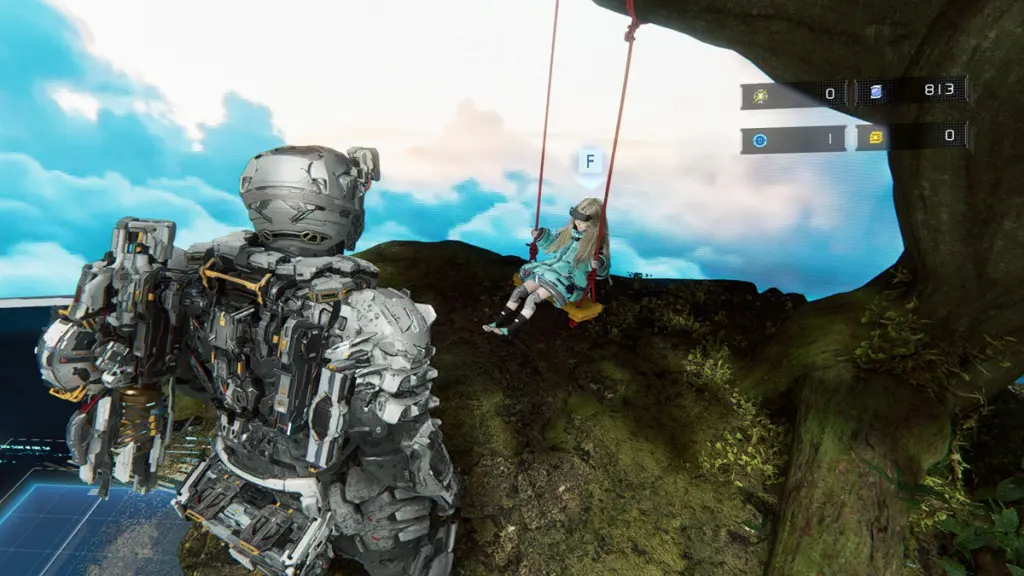
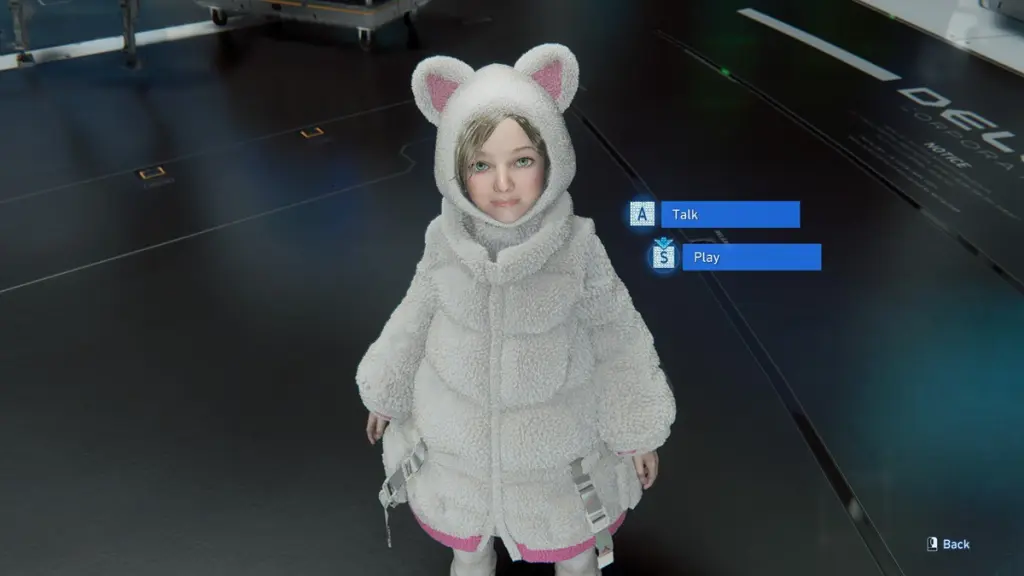
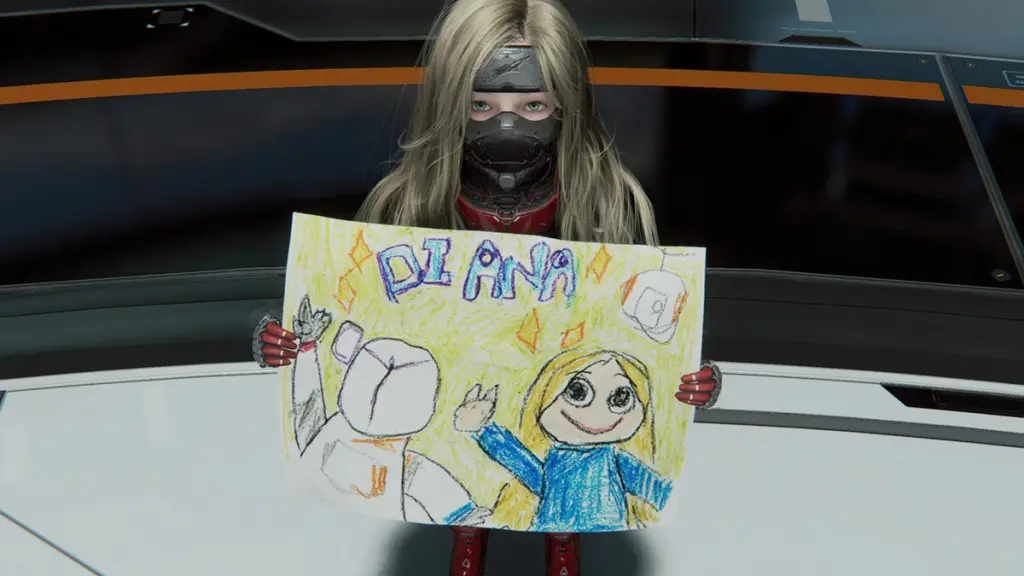
Players can gift her certain things recreated from Earth; for example, a basketball, a campfire, etc. Doing this opens up these charming little interactions, including the artworks she gives in appreciation. When she gifted me a drawing for the first time, my heart truly melted, and I think Capcom deserves praise for adding such little details.
However, not everything about Diana in Pragmata is rosy. The game also touches on many philosophical social aspects; this pushes you to think and question our reality. However, certain in-game situations will put Diana in danger at some point, and then the bond you feel for her will be so strong that you will genuinely worry about her safety.
I usually distance myself in such emotional scenarios, but in this case, I couldn't. I was genuinely concerned about Diana's safety in Pragmata; this shows how deeply the game builds your relationship with her.
In terms of storytelling, the game has an emotional ending that will especially make many people shed tears. Although the story is quite simple, the relationship you build with Diana becomes truly impactful in the end.
Diana is not just a friend who offers moral support; she is also one of the most active fighters in battles.
No Hack, No Damage: Every Struggle Begins in Diana’s Field
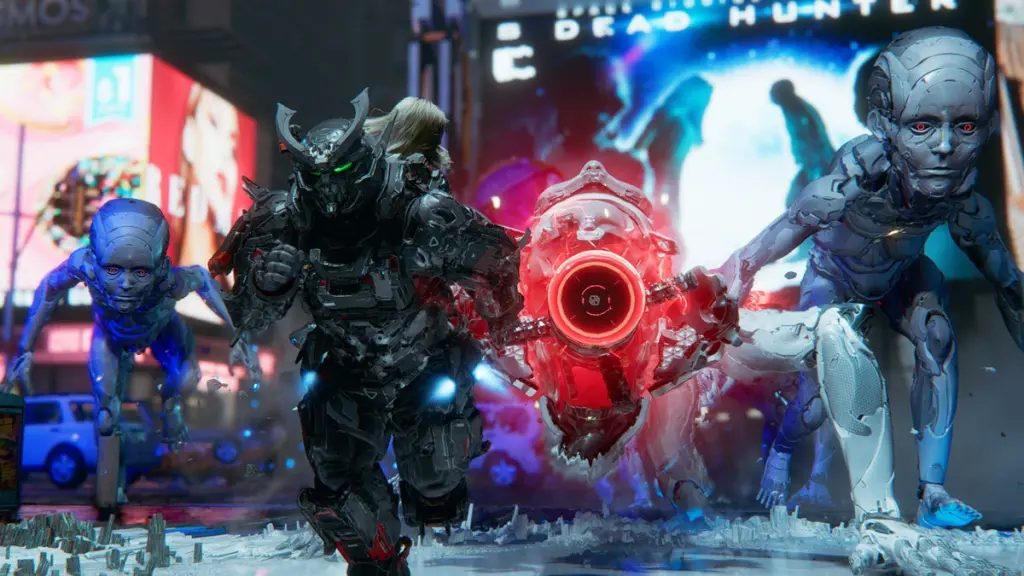
Diana hacks enemies to leave them vulnerable, allowing Hugh's bullets to damage them. This is important because players need to hack enemies in real-time and avoid attacks. The combat in Pragmata is built around managing these two elements during active combat. While your bullets do not deal damage without hacking your enemies, hacking can leave you vulnerable to attacks.
Hacking enemies not only makes them susceptible to damage but also reveals their weak points. Targeting these areas allows you to deal extra damage while making progress towards breaking the enemy. Although I initially felt overwhelmed with tasks, I quickly began to enjoy it.

Now, this is just scratching the surface of Pragmata's combat; the game also features a modding system that allows you to unlock passive enhancements for your character. Additionally, there are reusable weapons with limited-use drops. Hugh has a single main weapon with unlimited bullets, and everything he collects is temporary. Some weapons are support tools that can stop enemies or provide you with a shield. Trying to combine different weapons and tools to gain an advantage is the main challenge in Pragmata's combat.
The core gameplay loop is very reminiscent of Doom, where players must move from one room to another, shooting between enemies. However, this creates a sense of repetition that could be a significant issue for some. Hacking the same enemy over and over can become frustrating, especially when facing enemies that are difficult to deal with.
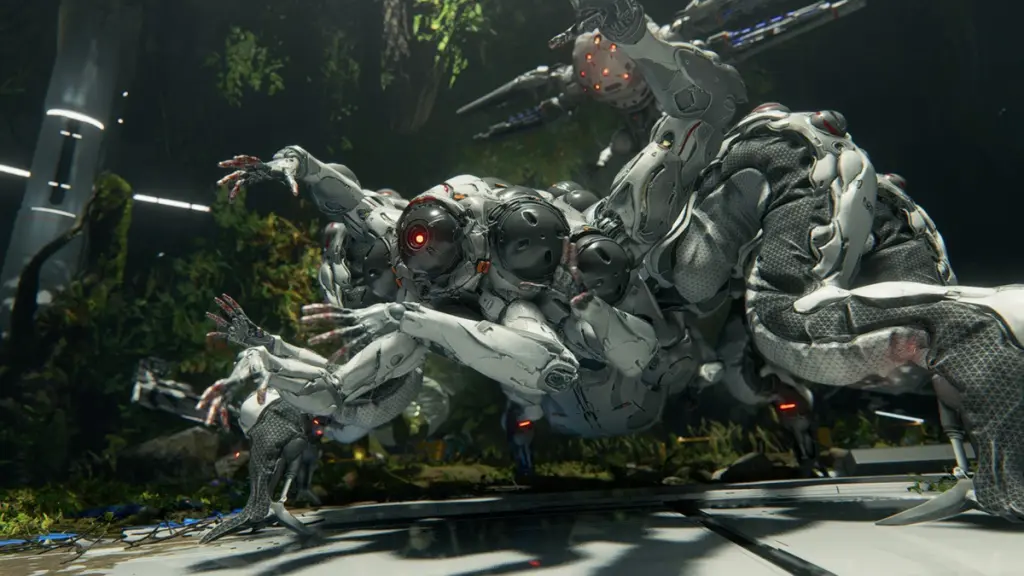
The game addresses this issue by providing an upgrade that allows you to automatically hack enemies later on. Such upgrades help keep Pragmata feeling fresh. The large pool of enemies also contributes to this well; each level introduces new threats to the cycle. While fighting them, you learn their weak points, making the next fight easier.
Where Pragmata's combat truly shines is in the boss fights. The game features some of the best boss fights for the action shooter genre. Most boss enemies are proportionally massive and pose a real threat in battle; they also include many mechanics you need to learn during the fight. Often, it feels like fighting Monster Hunter bosses but with Doom's combat system; this creates a fantastic mix. However, as I mentioned earlier, the real boss battle is being a father.
Performance: Level Design That Shines in Every Little Detail
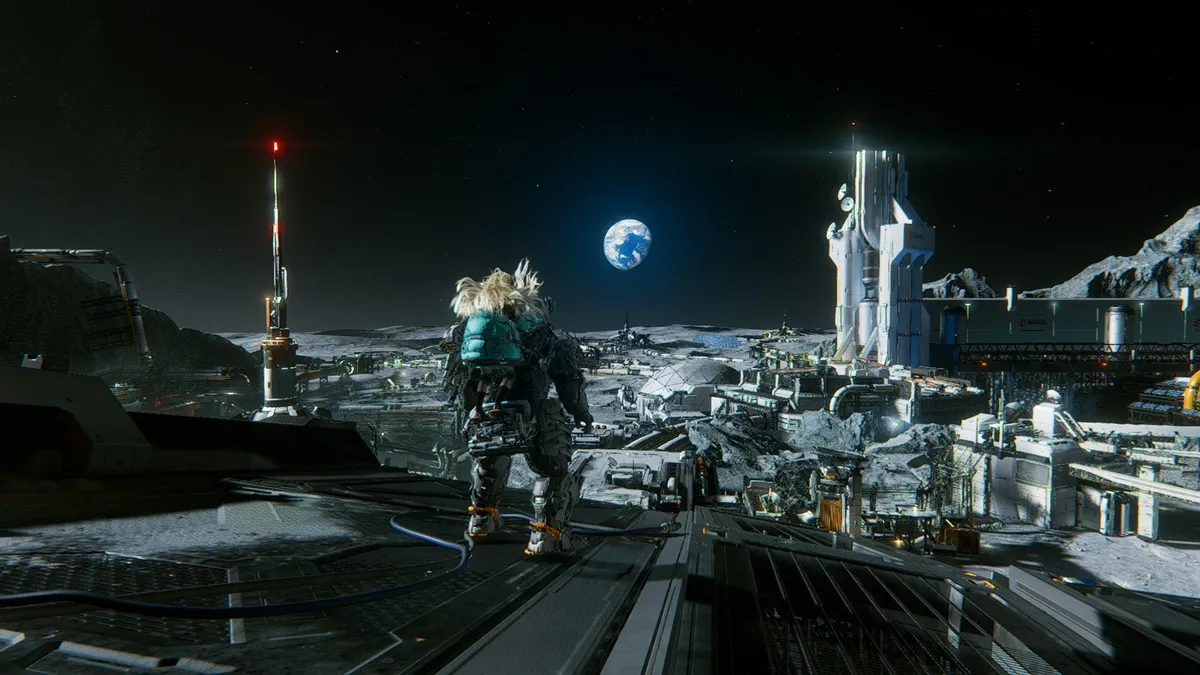
Image Credit: Capcom (Screenshot by Sanmay / Beebom) 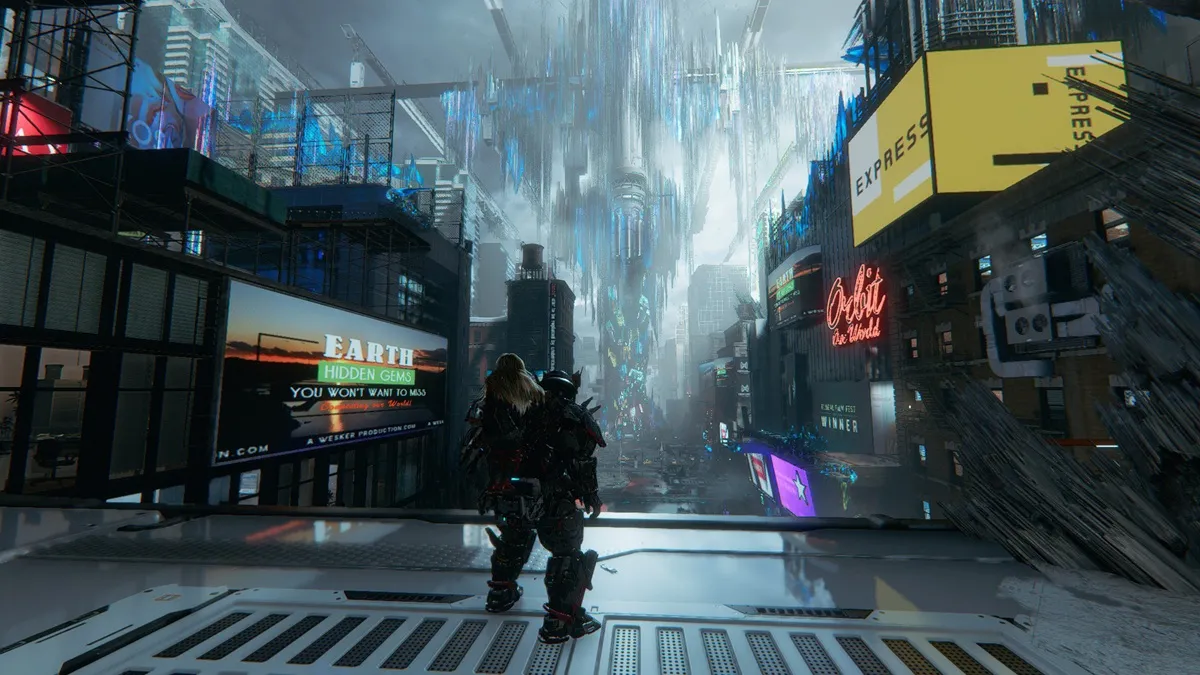
Image Credit: Capcom (Screenshot by Sanmay / Beebom) 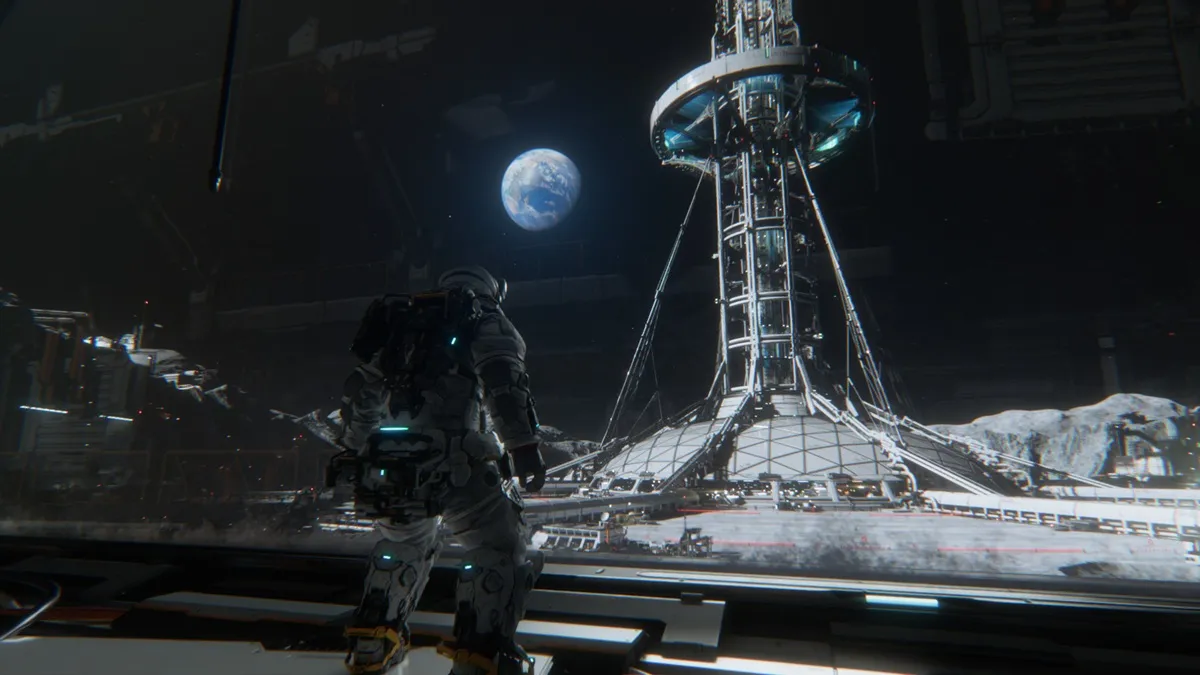
Image Credit: Capcom (Screenshot by Sanmay / Beebom) 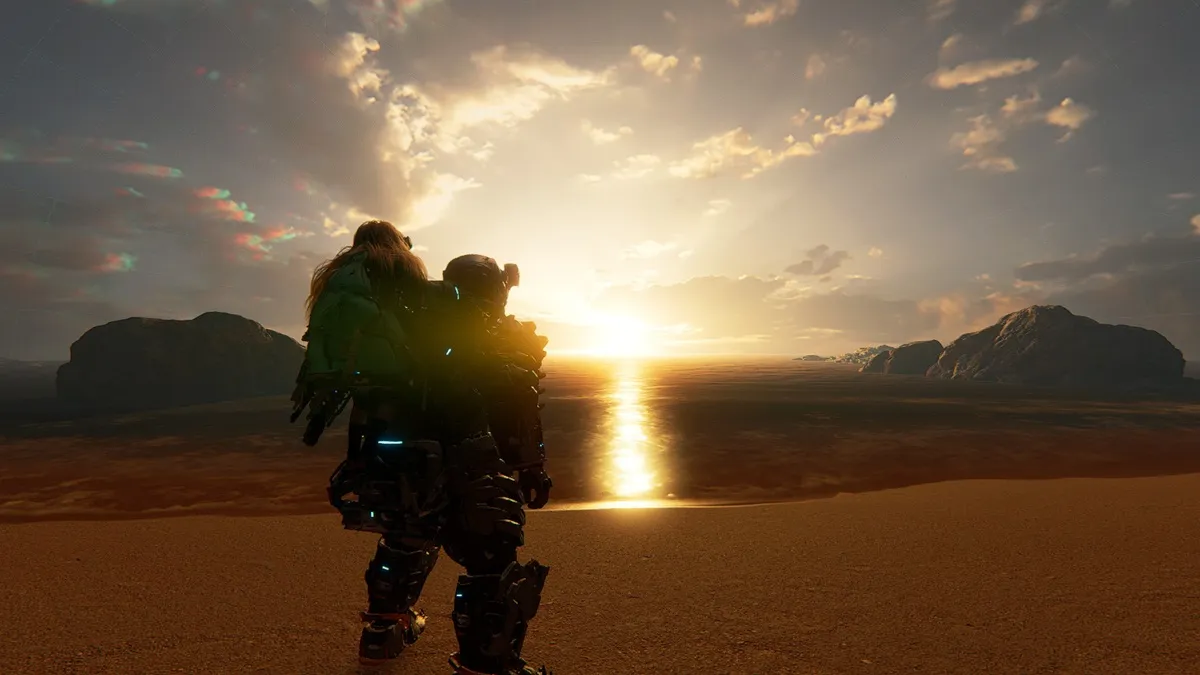
Image Credit: Capcom (Screenshot by Sanmay / Beebom)
Pragmata is truly a visually stunning game. Each level, despite being trapped in the same space station, gives a distinctly different feel. The visuals are genuinely impressive, and the enemy designs are quite fitting. Capcom's attention to detail is a pleasure, from Diana's vibrant emotions to the accurate details related to space. One example is how sound is muffled when you are outside in space; not in an enclosed area. Because sound travels slower in space than in an enclosed space, this small change made me really appreciate the developers' attention to detail.
My Setup
CPU: AMD Ryzen 9 7900x
CPU Cooler: CORSAIR H150 RGB
Motherboard: GIGABYTE B650M Gaming X AX
GPU: MSI Nvidia GeForce RTX 5060 Ti 16 GB
RAM: 32GB (32GB x 1) ADATA XPG DDR5 5600FSB LANCER
SSD: 1TB AORUS Gen 4 5000E NVMe storage
Monitor: 1080p @165hz
However, what is truly remarkable is Capcom's consistency in achieving excellent performance while having impressive graphics. This was something I noticed in Resident Evil Requiem as well, and it becomes more pronounced in Pragmata.
The game runs completely smoothly even at the highest graphics settings. I was consistently getting over 140 FPS with frame production at the highest settings and around 70 FPS without frame production.
It's really hard to believe that these developers are the same team behind Monster Hunter Wilds and Dragon’s Dogma 2; because those games are horrendously optimized. Somehow, Capcom always does a really good job with level-based games, while doing the opposite with open-world games.
Evaluation: Explosive Battles and an Unexpectedly Delicate Story
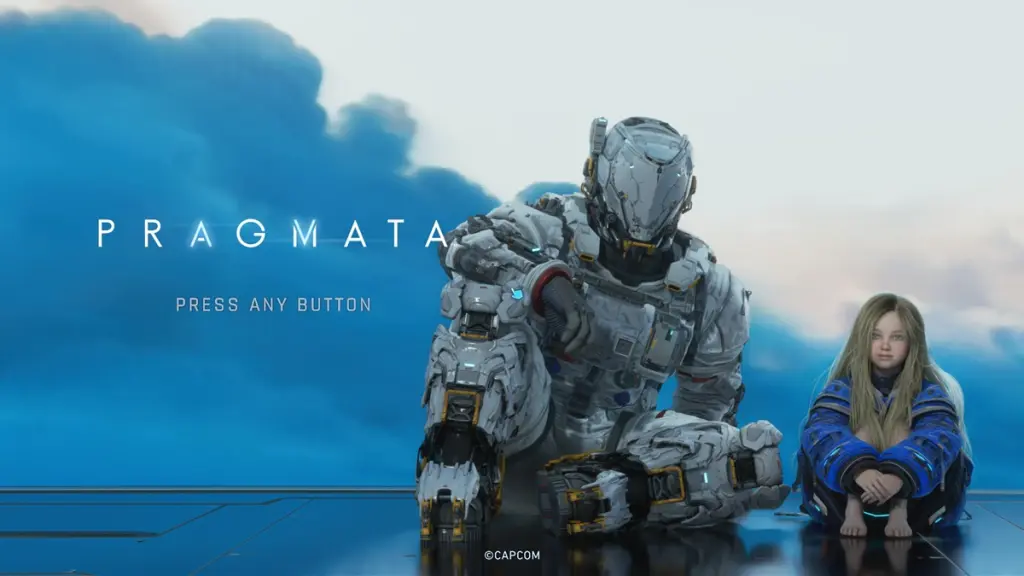
Playing Pragmata was truly a pleasure, and I am looking forward to getting more from Capcom's latest sci-fi shooter IP in the future. The new hacking element in the fights is really ingenious and extremely fun when blended with Doom-style combat. However, the main emphasis of the game is the relationship between Diana and Hugh; this effectively carries the core story of Pragmata.
My only concerns about the game were that the story could have been a bit better. Ultimately, it veered away from the main sci-fi theme and shifted into a supernatural dimension; which was a slight disappointment. Other than that, certain combat scenarios can be long and frustrating to complete, especially when you face the same enemies repeatedly and there is no change in pace.
Overall, Pragmata is a solid entry into Capcom's sci-fi shooter realm, and players can expect great things from the IP in the future. The world and combat system in Pragmata are really well done, and the relationship with Diana will always remain a fundamental part of my gaming experience.
Buy Pragmata ($59.99)














Comments
(10 Comments)