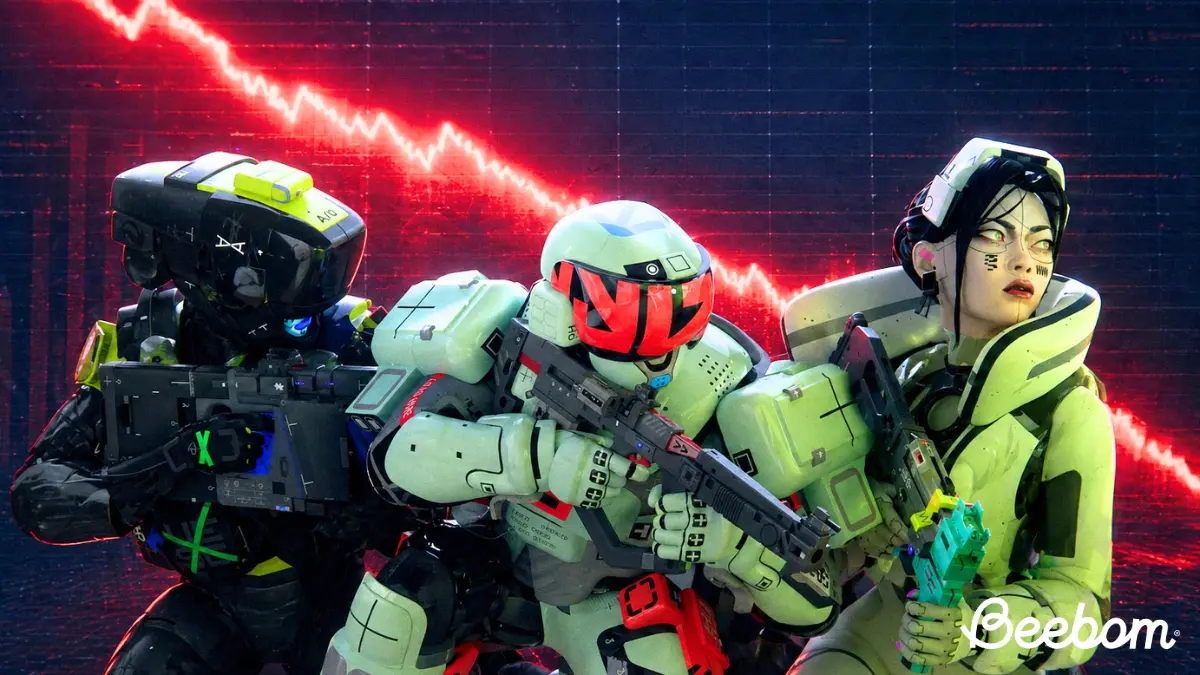
Do you remember how we chose a game in the '90s and early 2000s? After watching previews, trailers, and even the visuals on the back of the game cover, we were naturally drawn to it. We would choose and play games purely based on our liking and instinct, those were truly good times. Unfortunately, those days are behind us. With the emergence of the internet, players began prioritizing review scores and the number of copies sold before purchasing a game.
We are currently living in an era where video game prices have skyrocketed, so it is understandable for people to evaluate their decisions before pulling the trigger. However, recently, I have observed a trend that is rising faster than the pricing of AAA games. Yes, I am talking about the players' obsession with 'player count', which is becoming a curse that will haunt the gaming industry forever.
The Player Count Problem That Ruins Good Games
Any user can use the SteamDB platform or other third-party game player count trackers to check the live service game they are playing or planning to play, for example, Fortnite. It is completely normal to check whether enough players are playing the game before playing it. This used to be a tradition and has now turned into something more dangerous and toxic.
If you are constantly online on popular social media platforms like me, you must have seen a post about a game's player count at least once. For some players, analyzing and sharing the player count for popular games (both single-player and multiplayer) has become inevitable. Not only online gaming accounts but also famous streamers and even video game journalists share posts about player counts every day.
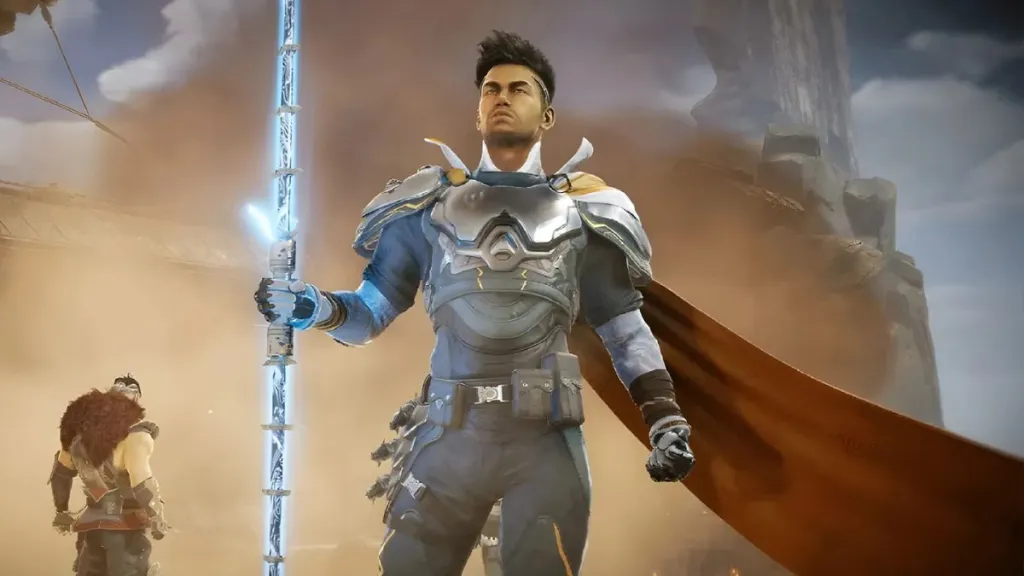
If you don't see a problem with this, let me give you some current examples. The first game that comes to my mind is Highguard. It had created a lot of excitement at the 2026 TGA and remained a secret until launch day. Highguard had some interesting ideas, but ultimately remained a decent game with enough growth potential. When players started sharing the player count of Highguard every day, we began to dig Highguard's grave without even realizing it. Soon after, the entire team behind Highguard was laid off.
Of course, the timing of the announcement was wrong. Developers could have considered a closed beta option instead of releasing the game as a shadow. However, I saw many players fervently sharing the declining player count online, praying for the game's downfall. The game could have improved over time, and that chance was taken away from them. This was not limited to Highguard; Marathon, despite being a solid game from Bungie, continues to fall victim to the player count trend.
Don't even get me started on bringing up player counts for single-player games. It is completely natural for a story-driven game to have a strong start and then see a decrease in overall player count over time. This does not mean that the newly released single-player game is a dead game.
This means that players have completed the game and moved on to the next game in their archives. However, I still see many posts labeling a game that was released a while ago as a dead game by presenting its Steam Chart. This even happened with Black Myth: Wukong, one of the best Souls-like games. In an era where developers are laid off for making a good game, we cannot deny that the player count trend has fueled this fire even more.
Player Count Data Was for Information, Not to Determine a Game's Value
Let's talk about the game with the highest player count every day, Counter-Strike: 2. There are many reports that a significant percentage of the player count consists of bots. If you don't believe me, you can check out the latest video from popular CS2 content creator 3kliksphilip regarding the bot issue in CS2. Now don't come at me with pitchforks! I'm not saying it's a dead game carried by bots.
I love playing CS2 with my friends every week and continue to spend countless hours on the game. An iconic title that has drawn serious numbers to date. The competitive scene of CS2 is one of the main reasons for this. But I must say that there is a completely different skin trading market that many people are not aware of, and this also attracts players equally.
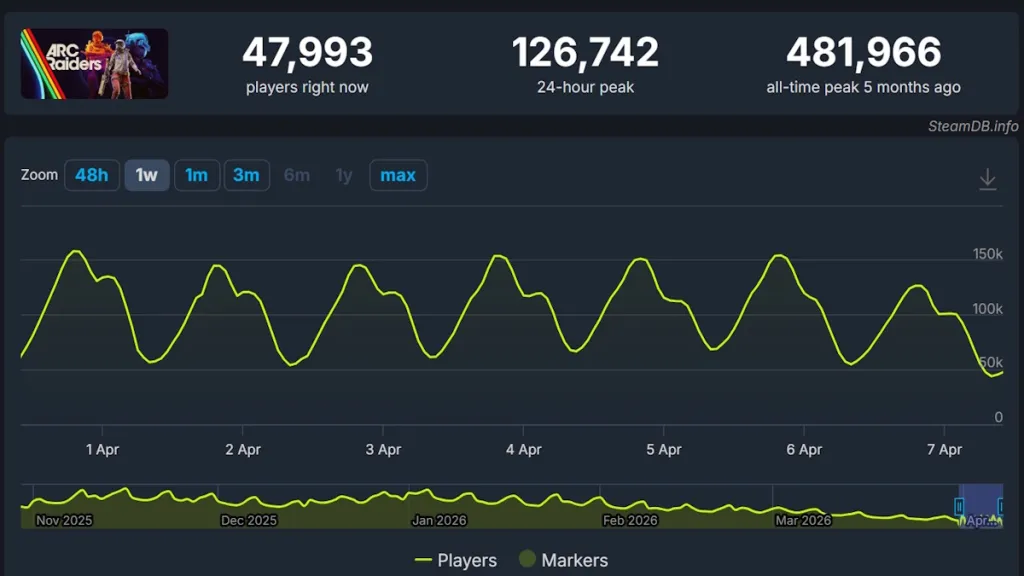
Therefore, many content behind the scenes is happening that increases the player count of a successful game. And on top of that, we do not know how much of the player count is actually people and how much is bots.
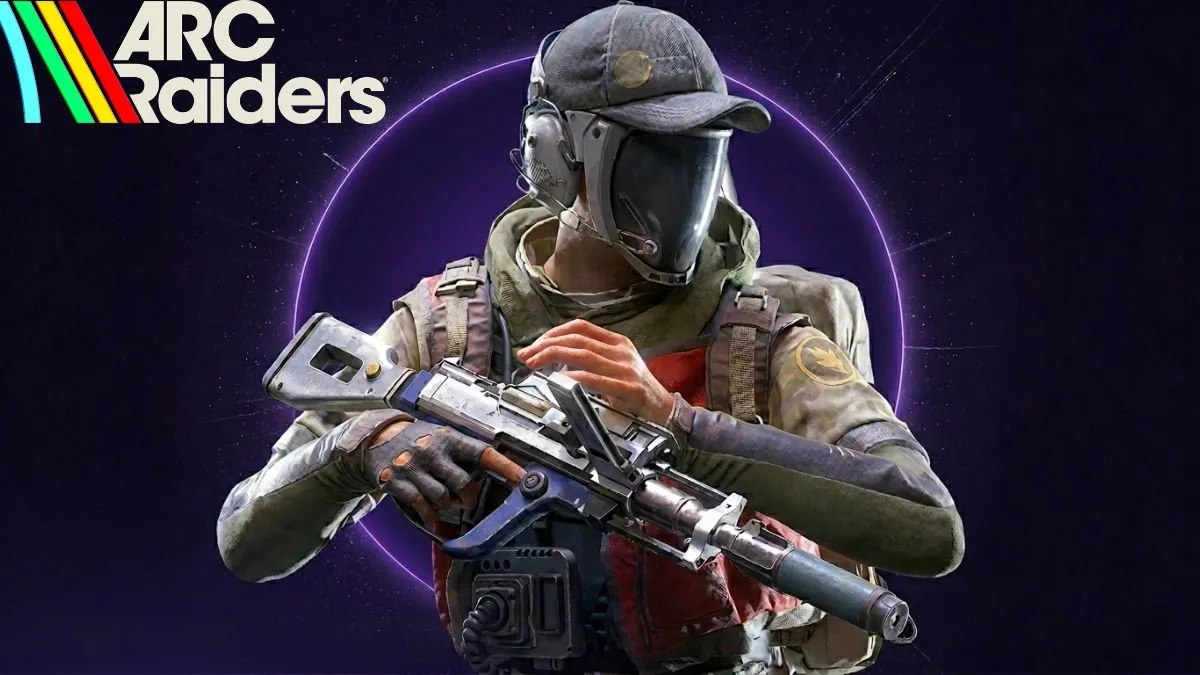
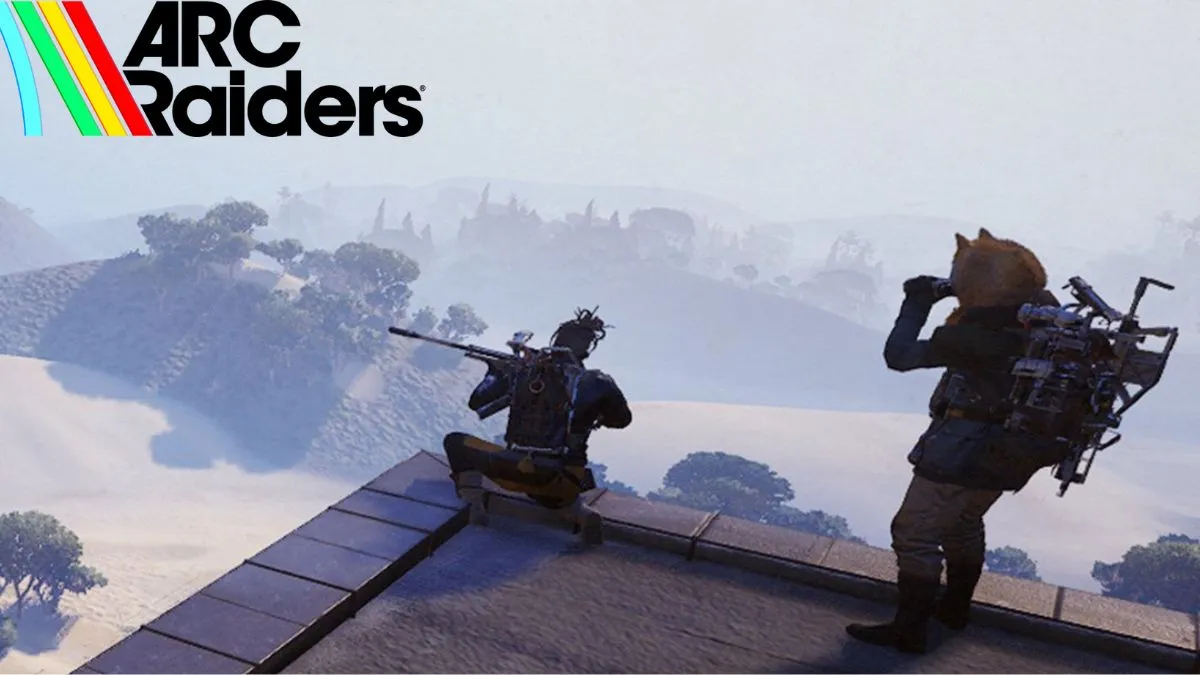
As you can see here, it's not even reliable data to start with, and SteamDB only provides concurrent player data from Steam. Take a look at the player count of Arc Raiders. The only platform people play on is not Steam; there are many other platforms and countless stores. There is no data from each platform.
Even if we had all of them, you can understand why player count is a flawed metric for misjudging a game. And remember, this was never designed as a metric to analyze the quality of a game.
Instead of scanning the internet for complex and unreliable player count data graphs to try out a game you find interesting, why not just download the game? If it's not a free game and you're still unsure, you can check out gameplay before purchasing or look at the comments from your favorite reviewer.
Therefore, let's not get excited about celebrating the death of a game; let's enjoy playing a game. Players should always avoid using player count data as a review score to evaluate how good a game is. Instead, provide constructive criticism rather than promoting the downfall of a game. And finally, let's not forget that the gaming experience is always a subjective experience, much like reading a book or watching a movie/TV show.
In short, let's not allow the obsession with player count to tear the industry apart. Players should always be ready to give games a chance to improve. Otherwise, the beloved gaming industry will reach an irretrievable point in the near future. In this case, share your thoughts on the player count trend among players in the comments below.
















Comments
(10 Comments)